
The sterilisation area at Westport Dental Associates.

Endodontics

Root canals.

A treatment with a very high rate of success, designed to save a tooth that used to have only one other option.

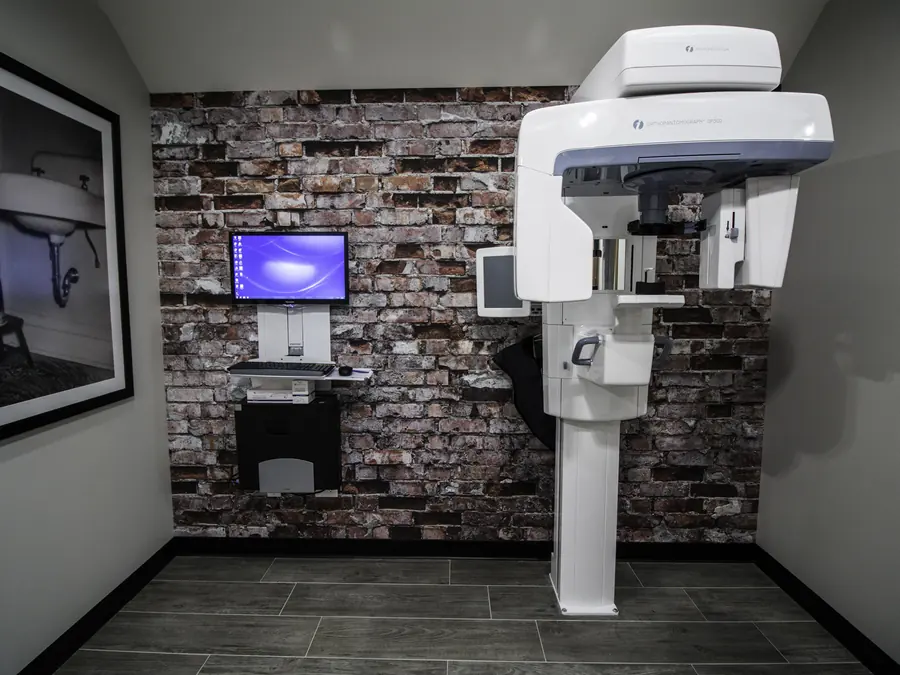
Digital panoramic imaging at Westport Dental Associates.
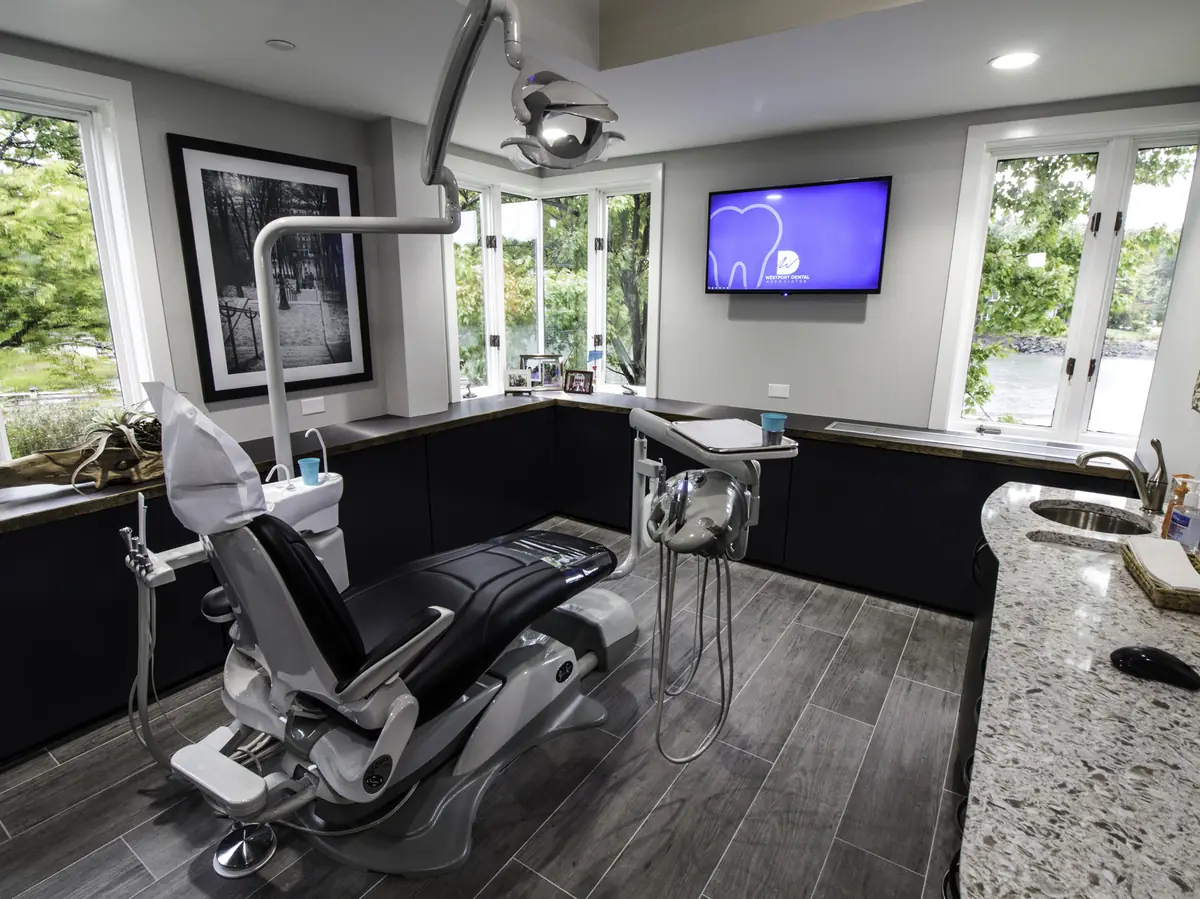
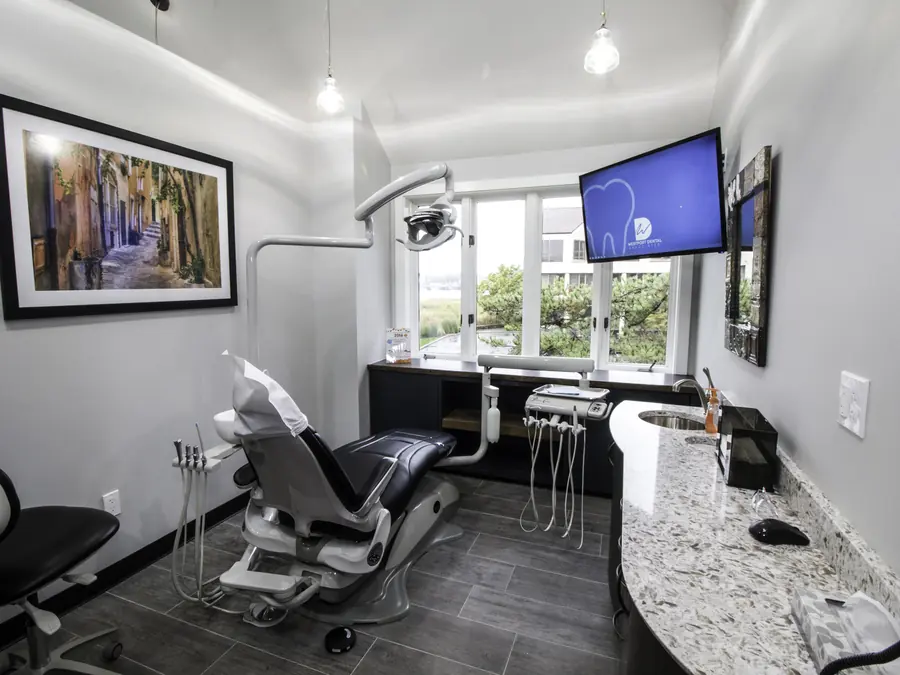
A treatment room at Westport Dental Associates.

Root canals are tiny passageways that branch off from beneath the top of the tooth and course their way down until they reach the tip of the root. Every tooth has between one and four of them. Root canal therapy exists so that a tooth with an infection in those passageways can be kept rather than pulled.

Before the procedure was developed and gained acceptance, the only alternative for treating a diseased tooth was extraction.

Why it becomes necessary

An infection that reaches the pulp does not stop there.

Many tooth problems involve infections that spread to the pulp, the inner chamber of the tooth containing blood vessels, nerves and other tissue. A traumatic injury can compromise the pulp in the same way.

A patient in dental pain.
01

Pain and sensitivity first

The first indications of a problem, and the easiest to ignore.

A diseased inner tooth brings a host of problems, and pain and sensitivity are usually where it announces itself. Sensitivity that lingers after something hot or cold is worth a call.

The sterilisation bay at Westport Dental Associates.
02

Then it spreads to the roots

As the infection worsens it begins affecting the roots.

Inside, a spreading infection can cause small pockets of pus to develop, which can lead to an abscess. At that point the problem is no longer only about the tooth.

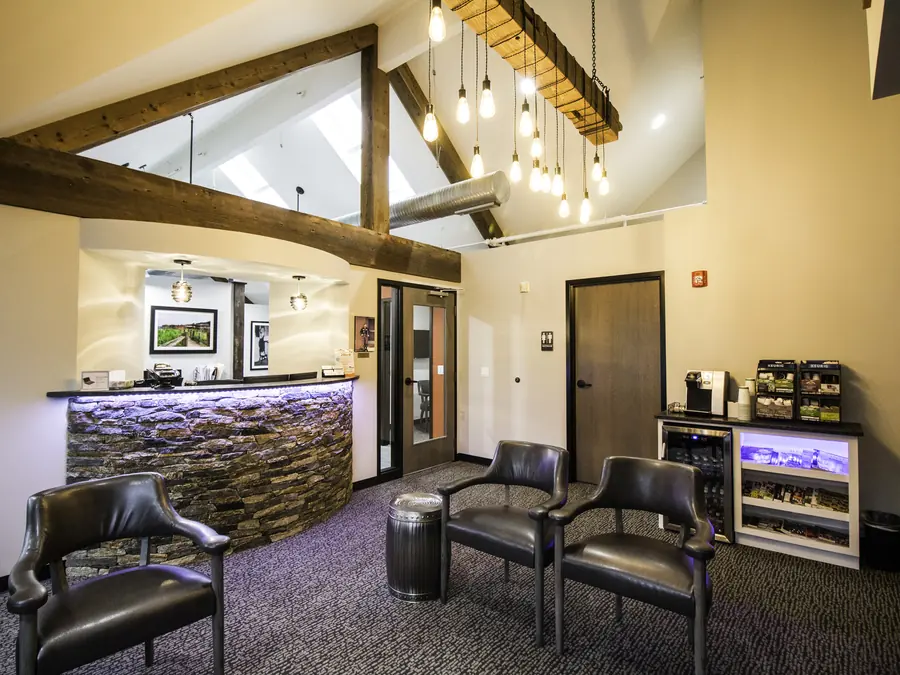
The reception desk at Westport Dental Associates.
03

Treatment halts it

A remarkable treatment with a very high rate of success.

The diseased tissue is removed, the spread of infection is stopped, and the healthy portion of the tooth is restored. The tooth stays where it is.

One to three visits

What the procedure involves.

Most patients who have root canal therapy experience little or no discomfort or pain, and enjoy a restored tooth that can last almost as long as its healthy original.

  1. A small hole is drilled through the top of the tooth into the inner chamber
  2. Diseased tissue is removed, the chamber is cleansed and disinfected, the canals reshaped
  3. The chamber and canals are filled with an elastic material and medication against infection
  4. If needed, the hole is filled temporarily until a permanent seal is made with a crown
A treatment room at Westport Dental Associates, ready for a patient.
If a tooth is keeping you awake, a dentist is on call. Do not wait for Monday.

Open six days, from 7:00am

Come and see us on Riverside Avenue.

Sixty-three years at one address, and a dentist on call for the hours we are shut. Request a time and our scheduling coordinator will call you back to confirm it.